With the goal of improving production processes and minimizing waste as much as possible, lean production, or Lean Manufacturing, is a methodology widely adopted by companies. The benefits of its application are especially visible in the industry.
In this article, we’ll cover all aspects of lean production, its main applications, and the tools used.
By the end of this reading, you will see that companies of all sizes can strategically structure and implement improvements in their processes to generate financial returns and operational efficiency. Keep reading.
In this article:
- What is lean production?
- Lean manufacturing principles
- The 7 types of waste in Lean
- Tools for lean production
- Benefits of implementation
- How to implement lean production?
- Conclusion
Here is a summary audio of today’s reading:
What Is Lean Production?
Lean production is a systematic management and improvement method, also called lean manufacturing, focused on optimizing production chains. Its primary objectives are to reduce production costs, eliminate waste, and increase efficiency.
The lean methodology emerged in the mid-1940s within the Toyota Production System. At that time, the famous Japanese vehicle manufacturer sought new ways to increase production with fewer resources, given limited space, raw materials, and financial resources.
As the methodology’s results spread worldwide, lean manufacturing gained status as a reference for companies seeking improvements in operational efficiency.
Although it originated in the industrial context, lean production can be applied to processes in technology companies, service industries, healthcare, logistics, and any other sector aiming to reduce waste and improve production quality.
Lean Manufacturing Principles
To achieve excellence, lean manufacturing is based on five principles that guide every production step toward a macro objective.
Unlike mass production models, lean production prioritizes understanding the actual demand volume of a company, avoiding waste and creating differentiators such as:
1. Identify Value for the Customer
By producing with a clearer purpose, lean manufacturing adds value for the final customer, considering the specifics of demand. This also allows the company to maintain stricter quality control, increasing competitiveness through differentiation.
2. Map the Value Stream
The second principle of lean production is value stream mapping. This means identifying all the elements in the production stages that generate waste, which should be eliminated.
An example is maintaining raw material inventory that is rarely used, which could be replaced with quality improvements.
3. Create Continuous Flow
This principle, closely aligned with agile methodologies, advocates for reducing anything that interferes with the production flow. The result is a more centered operation, with fewer bottlenecks and greater ease in making adjustments whenever issues arise in the process.
4. Establish Pull Production
Also known as Just-in-Time, this principle advocates for production in line with demand. In other words, acquiring only the necessary inventory for production, eliminating waste and spending on materials that do not add real value to the final product.
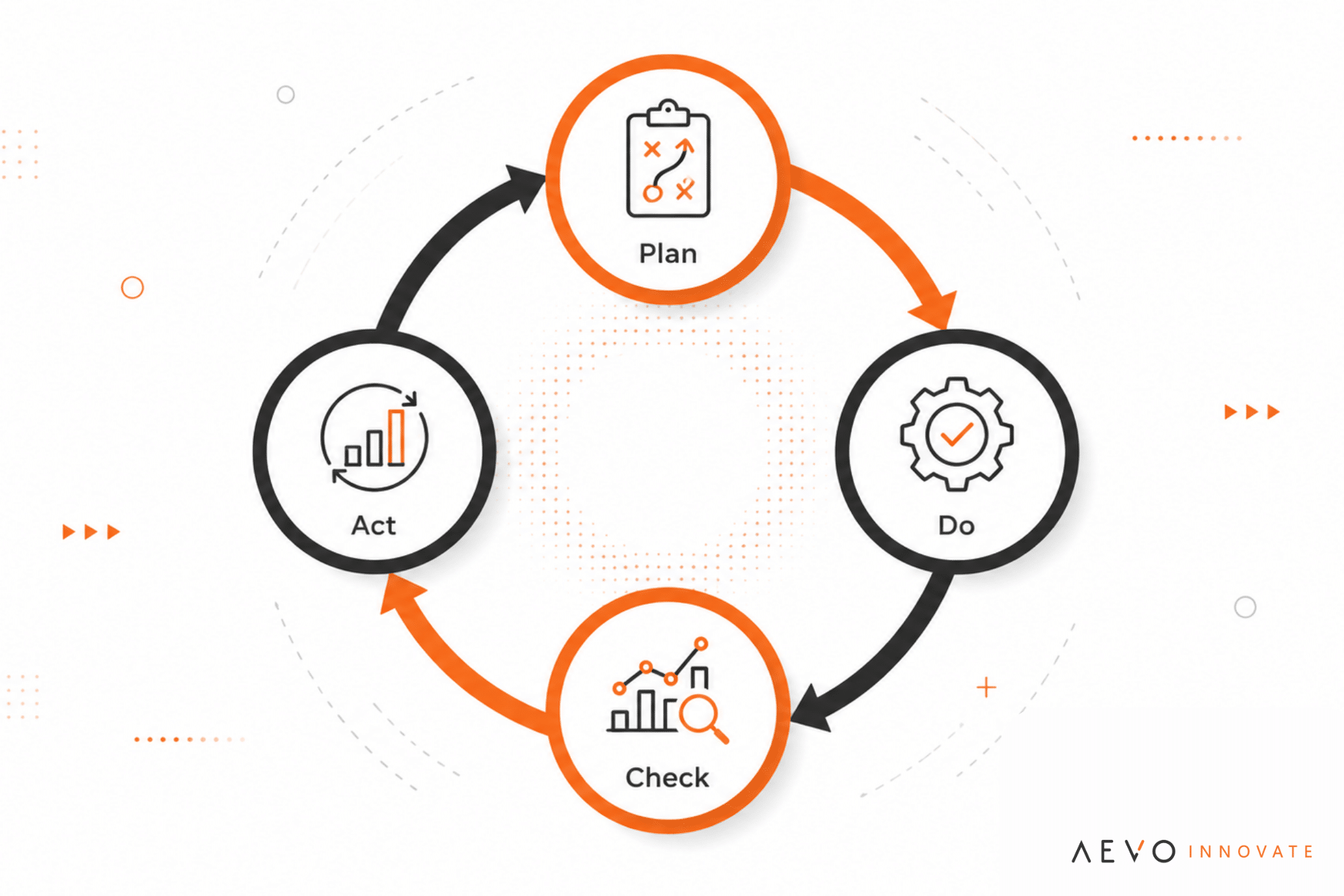
5. Seek Continuous Improvement
The fifth principle is based on continuous improvement, or the Kaizen practice. Beyond the benefits that production gains from process reviews, the entire company benefits from the adoption of constant improvement practices. This practice encourages innovation and the best alternatives for each segment.

The 7 Wastes of Lean
As we mentioned earlier, lean production focuses on eliminating waste in the production chain. To do this, it is categorized into seven groups that map areas impacting resource allocation, unnecessary spending, and low productivity. Here’s an overview:
| 1. Overproduction | This involves using excessive raw materials due to producing on a large scale. In seasonal periods, product stagnation may occur, leading to unsold inventory and financial losses. |
| 2. Waiting | Waste caused by idle production due to a lack of resources (raw materials, energy, machinery) or long process review times. |
| 3. Transport | Improper transportation of materials and human resources within the company generates waste. Poorly planned routes lead to delays, degradation, and unnecessary movement. |
| 4. Excessive Processing | Bureaucratic procedures, redundant approvals, and rework contribute to waste. Reworking the flow to eliminate unnecessary steps ensures smoother processes. |
| 5. Inventory | Unlike its competitors, Toyota invested in stock based on production needs. Excess resources create financial waste, space utilization issues, and underused skilled labor. |
| 6. Movement | Unnecessary movement of materials or employees also contributes to waste. Excessive movement leads to physical and emotional wear and tear on workers, increasing risks and material degradation. |
| 7. Defects | Excess production leads to defects, which result in waste. Producing more than necessary increases the risk of defective items, as quality control becomes compromised. |
Tools for Lean Production
To avoid these excesses, and address them together, numerous tools and methodologies are available for lean production.
Some originated alongside the Toyota system, while others were implemented over time as the methodology gained popularity across industries:
5S
The 5S system focuses on optimizing productivity based on revisiting what is crucial for employees and their processes.
It is based on five principles: Seiri (sorting), Seiton (organization), Seiso (cleanliness), Seiketsu (standardization), and Shitsuke (discipline).
Kaizen
As mentioned earlier, Kaizen is a practice of continuous process improvement. Through it, companies can optimize their production processes in a controlled, sustainable manner while focusing on long-term goals.
Kanban
The Kanban method is famous for its use in digital software, based on cards and boards. It helps organize and manage production flow by reducing bottlenecks and facilitating the planning of each step.
Poka-Yoke
The Poka-Yoke tool (pronounced PO-ka YO-kay) aims to prevent errors. Focused on quality management, it anticipates potential failures before they occur.
It can be combined with error detection and correction but is mainly designed to prevent such failures from happening in the first place.
Andon
Andon serves as a visual tool to monitor operational status practically. It can indicate failures in production stages with a color or symbol, aiding decision-making to fix the issue.
This tool is useful in dashboards and integrates easily with production control technologies.
Value Stream Mapping
Value Stream Mapping (VSM) optimizes production resources and reduces costs.
By mapping the value stream, companies can better align supply and demand, restocking inventory based on product output and intensifying production at specific moments.
Benefits of Implementation
Lean manufacturing and all its tools offer numerous benefits for companies across various sectors, particularly the industrial sector.
So far, we’ve discussed optimizing and reducing operational costs, increasing productivity, and improving product quality. However, beyond internal satisfaction due to productive gains, there are also impacts on customer satisfaction and brand perception.
How to Implement Lean Production?
As with most management and productivity processes, implementing the lean production system requires good planning and team engagement.
Since processes are directly dependent on the work activities of employees, their involvement is critical to the success of the strategy.
Assess Current Processes
First, map all internal processes. This can be done through satisfaction surveys, system monitoring, and other tools mentioned earlier.
From this step, the company can identify what needs improvement and design specific solutions within the lean production methodology.
Train the Team
Increasing productivity requires more focus from the involved professionals. Often, the implementation of systems comes with the need for team training.
Invest in communication and action plans that help teams adopt the new methods effectively.
Apply Lean Tools
Each lean tool targets specific goals and can be combined.
For example, Kanban can be implemented digitally or used to engage teams in the office through an interactive visual board. The goal is clear and transparent communication so that everyone understands the application of these techniques.
Monitor and Make Continuous Adjustments
Whenever improvements are needed, actions are taken to make them feasible.
However, nothing is permanent, and with the constant transformation of markets, especially in the industry, monitoring and reviewing processes becomes essential to keep the company productive, sustainable, and aligned with best practices for its current stage.
Need a refresh? Here is a video for you:
Conclusion
By implementing the principles of lean production, organizations experience gains in operational efficiency, product and service quality, customer satisfaction, and, consequently, competitive advantage.
This approach allows companies to become more agile and ready to face the challenges of today’s market.
It can be even more powerful when supported by solutions that assist in implementing and managing lean production. Solutions like AEVO Innovate, a complete innovation management platform, enable companies to implement lean while stimulating continuous improvement and innovation.