The Kaizen Methodology is a Japanese philosophy centered on continuous improvement through small, incremental changes. Originating in Japan post-World War II, it has been instrumental in transforming the country’s economy and is now widely adopted globally.
Companies implementing Kaizen have reported increased productivity, reduced costs, and enhanced employee development, leading to larger market shares and more efficient operations.
Table of Contents
Listen to this blogpost’s summary here:
What Is the Kaizen Methodology?
The Kaizen Methodology emphasizes continuous improvement, believing that small, consistent changes can lead to significant transformations. The term “Kaizen” combines two Japanese words: “Kai” (change) and “Zen” (good), meaning “change for the better.” While rooted in Japanese culture, Kaizen became prominent in the corporate world during the 1950s, aiding in the reconstruction of Japan’s economy.
Notably, companies like Toyota, Honda, and Nissan have successfully integrated Kaizen into their operations, particularly through the Toyota Production System. In Europe, manufacturers such as a sustainable metal packaging company have adopted Kaizen principles, resulting in a 52% reduction in waste and a 2% increase in Overall Equipment Efficiency (OEE) over two years.
How Does the Kaizen Methodology Work?

Kaizen operates through five key steps, known as the 5S, each representing a Japanese term:
- Seiri (Sort) – Eliminate unnecessary items from the workspace.
- Seiton (Set in Order) – Organize tools and materials for easy access.
- Seiso (Shine) – Maintain cleanliness to identify and address issues.
- Seiketsu (Standardize) – Establish standards for processes and procedures.
- Shitsuke (Sustain) – Develop habits to maintain and review standards.
These principles are applied across various organizational levels, from strategy to daily operations, fostering a culture of continuous improvement.
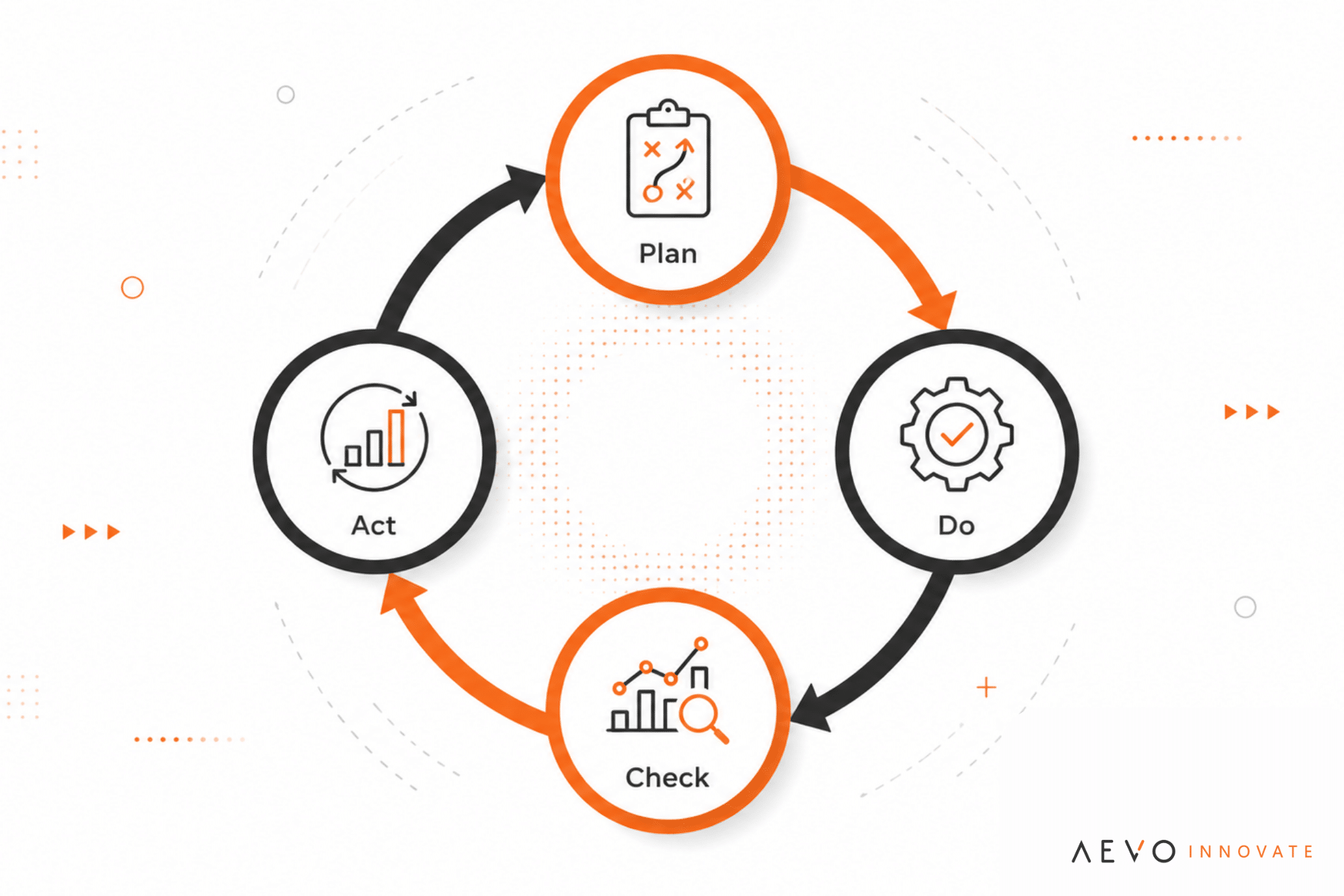
Read more: PDCA Cycle: The Ultimate Guide to Continuous Improvement
KPIs for Measuring Kaizen Effectiveness
To assess the impact of Kaizen initiatives, organizations should monitor specific Key Performance Indicators (KPIs):
- Cycle Time – Measures the time taken to complete a process.
- Defect Rate – Tracks the frequency of errors or defects.
- Employee Engagement – Assesses the level of employee involvement in improvement activities.
- Cost Savings – Calculates reductions in operational costs due to improvements.
- Customer Satisfaction – Evaluates the impact of improvements on customer experience.
For instance, Toyota Material Handling France reported a 20% reduction in lead time and improved order processing efficiency by applying Kaizen principles.

Benefits of Implementing Kaizen
Organizations adopting Kaizen can experience:
- Waste Reduction – Minimizing resource wastage and inefficiencies.
- Enhanced Workplace Culture – Fostering a collaborative and engaged environment.
- Professional Development – Empowering employees through continuous learning.
- Improved Product and Service Quality – Delivering consistent and high-quality outputs.
- Leadership Development – Identifying and nurturing potential leaders within the organization.
How to Apply Kaizen in Practice
To effectively implement Kaizen:
- Facilitate Information Flow – Ensure open communication channels for idea sharing.
- Value Contributions – Recognize and reward employee suggestions and improvements.
- Establish Leadership – Designate a team to oversee Kaizen initiatives.
- Orchestrate Innovation – Coordinate efforts to align with strategic goals.
Kaizen and Incremental Innovation
Kaizen aligns with the concept of incremental innovation, focusing on continuous, small-scale improvements rather than radical changes. This approach has been successfully applied by companies like Instagram, which introduced features such as Stories and live streaming to enhance user engagement and maintain its competitive edge.
Expand your expertise: GenAI in Manufacturing: Rethinking Operational Excellence Beyond Automatio
Here is a video of today’s reading:
Conclusion
The Kaizen Methodology offers a structured approach to continuous improvement, benefiting organizations by enhancing efficiency, quality, and employee engagement. By integrating Kaizen principles, companies can foster a culture of innovation and adaptability, leading to sustained success.
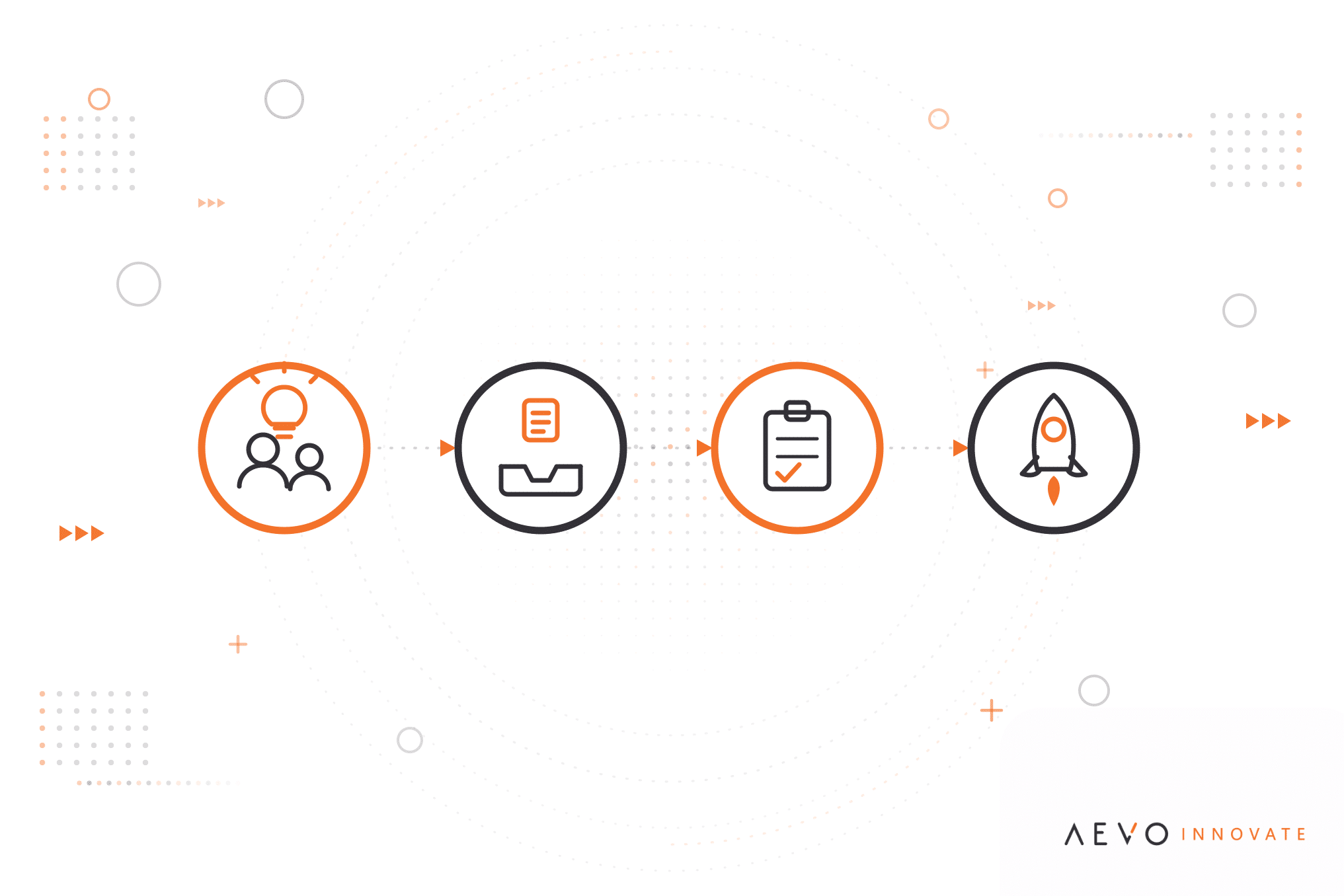
To integrate Kaizen into your organization and drive continuous improvement, consider utilizing AEVO Innovate. AEVO Innovate is a software solution designed to facilitate innovation management, enabling companies to capture, evaluate, and implement ideas effectively. By leveraging AEVO Innovate, you can empower your team to contribute to the ongoing enhancement of your processes and operations.