Market intelligence has become a critical differentiator for organizations seeking to operate with precision in increasingly competitive, fast-changing environments. More than simply collecting information, it is the strategic capability to transform external data into actionable insights that shape decisions, optimize opportunities, and mitigate risks.
As digital transformation accelerates worldwide, the volume, speed, and diversity of available data continue to grow exponentially. Technologies such as IoT, advanced analytics, edge computing, and artificial intelligence have reshaped how companies understand markets, customers, competitors, and macroeconomic dynamics.
In this article, we explore how market intelligence is applied in real corporate scenarios, how it supports long-term strategy, and why it has become indispensable for global competitiveness.
Table of Contents
Here is a summary audio of today’s reading:
What Market Intelligence Really Enables
While traditional market research gathers information and market analysis interprets it, market intelligence integrates both into a continuous, dynamic, data-driven cycle. Companies using market intelligence don’t just analyze past events; they detect patterns, anticipate movements, and strategically position themselves ahead of competitors.
This capability influences multiple areas of the business:
- Commercial strategy and pricing
- Product development and innovation
- Expansion and market-entry decisions
- Risk assessment and mitigation
- Competitive benchmarking
- Investment and portfolio planning
Rather than reacting to market changes, companies operate with strategic foresight.
Why Companies Invest in Market Intelligence
According to the Data Monetization – Global Strategic Business Report, the global data monetization market is expected to grow more than 19% by 2030, reaching over $12.4 billion. This reflects a clear reality: organizations already treating data as a strategic asset are gaining significant financial and competitive advantages.
1. Better Strategic Decision-Making
Companies no longer rely on gut feeling or isolated pieces of information. Market intelligence offers robust evidence for critical decisions, such as:
- Whether a new product will find real market demand
- Which customer segments show higher growth potential
- How pricing strategies compare with competitors
- Which markets present higher regulatory or cultural risk
Data-based decisions are faster, more accurate, and more profitable.
2. Anticipation of Trends and Consumer Shifts
Global markets evolve at unprecedented speed. A business model that appears promising today can become irrelevant within months.
Market intelligence enables organizations to:
- Detect early signs of behavioral change
- Map emerging technologies and disruptions
- Predict declines in demand
- Identify untapped opportunities before competitors
This proactive posture reduces uncertainty and protects long-term viability.
3. Strengthening Competitive Advantage
While traditional research outlines the present, market intelligence reveals what’s next. Companies using systematic intelligence outperform in:
- Competitive benchmarking
- Innovation portfolio management
- Strategic positioning
- Precision in go-to-market execution
Through data, organizations build strategies that are harder to replicate and easier to scale.
4. Reducing Strategic Risks
Market intelligence significantly reduces exposure to financial, operational, and competitive risks. For example:
- A product launch can be canceled early if data indicates low adoption.
- Expansion plans can be redirected if market-entry risk becomes too high.
- Investments can be prioritized based on data-backed opportunity size.
This is the essence of “intelligence”: decisions grounded in evidence, not intuition.
How Market Intelligence Works in Practice
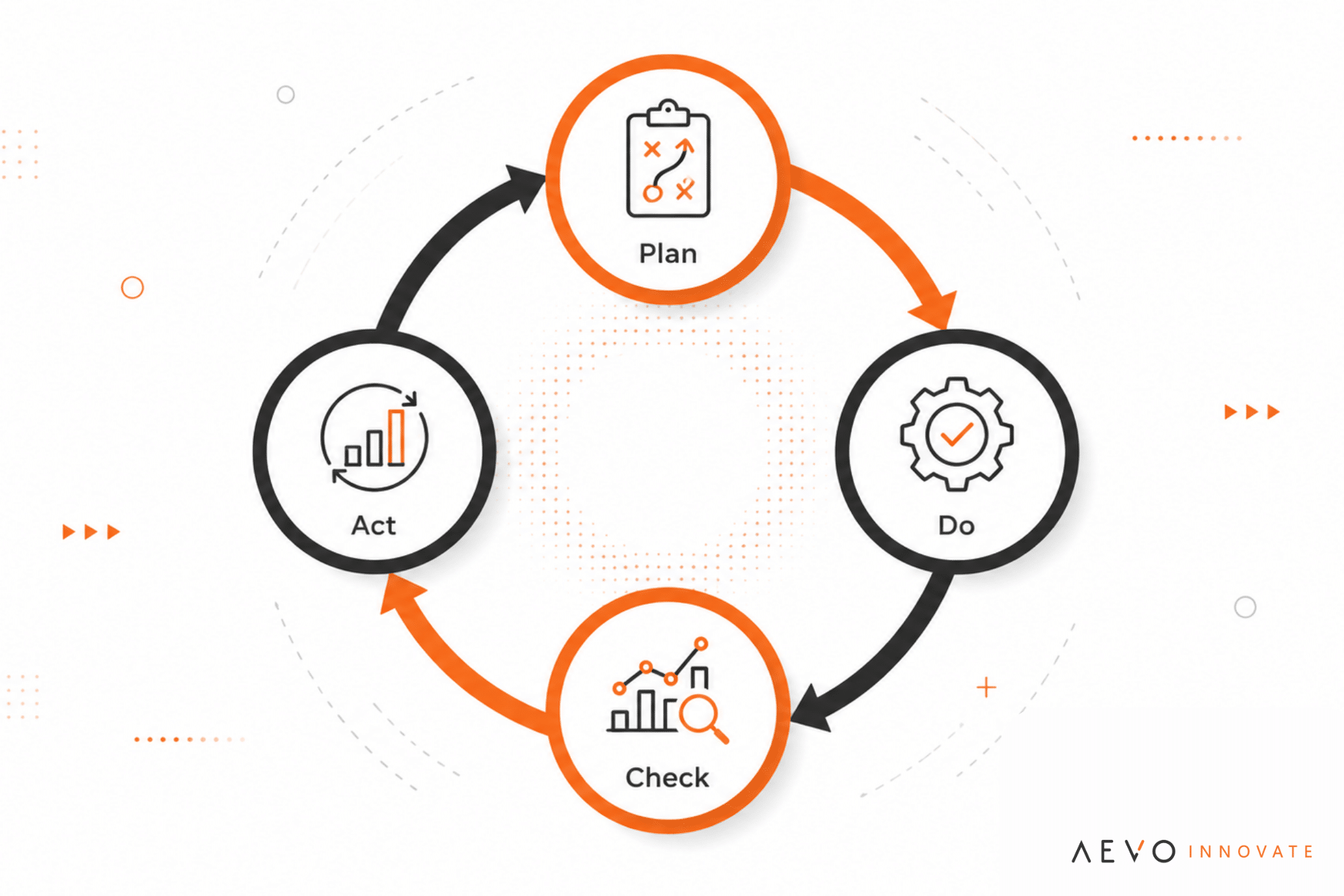
Market intelligence follows a cyclical, interconnected process supported by data, technology, and strategic interpretation.
1. Data Collection
Data may come from internal or external sources:
| Internal Sources | External Sources |
|---|---|
| CRM systems | Competitor websites and social channels |
| Sales performance | Market reports |
| Customer support | Industry benchmarks |
| Digital analytics | Government and regulatory data |
| Innovation pipelines | News and trend-tracking platforms |
Companies typically consolidate this data in dashboards, BI systems, or integrated platforms for faster decision-making.
2. Data Analysis and Interpretation
Given the volume and complexity of available information, companies rely on:
- Business Intelligence (BI) platforms
- Data Analytics tools
- Predictive analytics
- Qualitative and quantitative research methods
- AI-based insight extraction
The goal is not only to interpret what data reveals, but to connect dots that reveal opportunity or risk.
3. Insight Generation
Data becomes valuable only when transformed into strategic insight.
This step involves:
- Identifying patterns and anomalies
- Capturing market signals
- Highlighting unmet needs
- Detecting new competitive threats
- Predicting shifts and emerging spaces
Teams such as marketing, growth, strategy, and innovation play a key role; increasingly supported by AI systems capable of extracting meaning from large datasets.
4. Strategy, Implementation, and Monitoring
Insights drive action. Companies use structured frameworks to:
- Prioritize initiatives
- Mitigate risk
- Refine innovation portfolios
- Update product or market strategies
- Guide leadership decisions
Once actions are implemented, continuous monitoring ensures the strategy adapts as the market evolves.
Main Tools
Companies rely on a mix of technologies to accelerate insight generation:
| Tool Type | Description |
|---|---|
| BI tools (Power BI, Tableau) | Enable data visualization, dashboard creation, and performance analysis. |
| Competitive intelligence platforms (SimilarWeb, Crayon) | Provide insights on competitor traffic, strategy, and market positioning. |
| CRM systems | Monitor customer behavior, interactions, and lifecycle data. |
| Social listening tools | Capture sentiment, track brand mentions, and monitor competitor communications. |
| AI-powered insight platforms | Automate data analysis, detect patterns, and generate real-time strategic insights. |
These tools expand the organization’s ability to detect signals early and respond quickly.
Use Cases: How Companies Apply
Market intelligence delivers value across industries and business models. Some practical examples include:
Global expansion
Companies evaluate:
- Market maturity
- Regulatory complexity
- Cultural compatibility
- Competitive landscape
- Profitability outlook
Market intelligence reduces the risk of failed expansion and accelerates successful entries.
Product portfolio optimization
Data reveals:
- Which features customers value most
- Which products should be discontinued
- Which segments are underserved
- Where pricing adjustments are required
This enables more profitable product decisions.
Innovation and new business models
Market intelligence supports:
- Technology scouting
- Early identification of disruptive trends
- Prioritization of innovation investments
- Validation of new business hypotheses
Market intelligence becomes an engine for strategic foresight.
Main Challenges in Market Intelligence
Even with its clear benefits, organizations face challenges such as:
- Digital maturity gaps
- Difficulty integrating data sources
- Lack of talent specialized in analytics
- Need for strong data governance
- High volume of unstructured information
Addressing these barriers is often what separates high-performance companies from the rest.
Trends in Market Intelligence
Over the last decade, technology has advanced faster than expected. Key trends include:
- AI-driven analytics supporting faster and deeper insights
- Automated data collection across channels
- Predictive modeling for behavior and market forecasting
- Real-time intelligence systems integrated into daily operations
- Cross-industry data ecosystems enabling richer benchmarking
The future of market intelligence is predictive, automated, and directly linked to strategic decision-making.
Need a refresh? Here is a video for you:
Conclusion
Market intelligence empowers organizations to make smarter, faster, and more strategic decisions. When combined with structured innovation management, it becomes a catalyst for competitiveness, differentiation, and long-term value creation.
AEVO Innovate enables companies to organize, evaluate, and scale strategic insights through structured idea management, collaboration, and AI-powered analysis; turning intelligence into concrete business results.