In the pursuit of operational excellence, companies across industries are constantly adopting proven tools to enhance productivity, eliminate inefficiencies, and foster a culture of continuous improvement. Among these tools, the 5S methodology has stood the test of time, offering a simple yet powerful framework for workplace organization and process optimization.
Originally developed in post-World War II Japan, the 5S methodology goes far beyond cleanliness and visual order. It’s a foundational component of lean manufacturing and a gateway to building a more engaged, efficient, and resilient workforce.
In this article, you’ll learn what the 5S methodology is, how it works, its benefits, and how to implement it in your organization.
Table of Contents
Here is a summary audio of today’s reading:
What is the 5S Methodology?
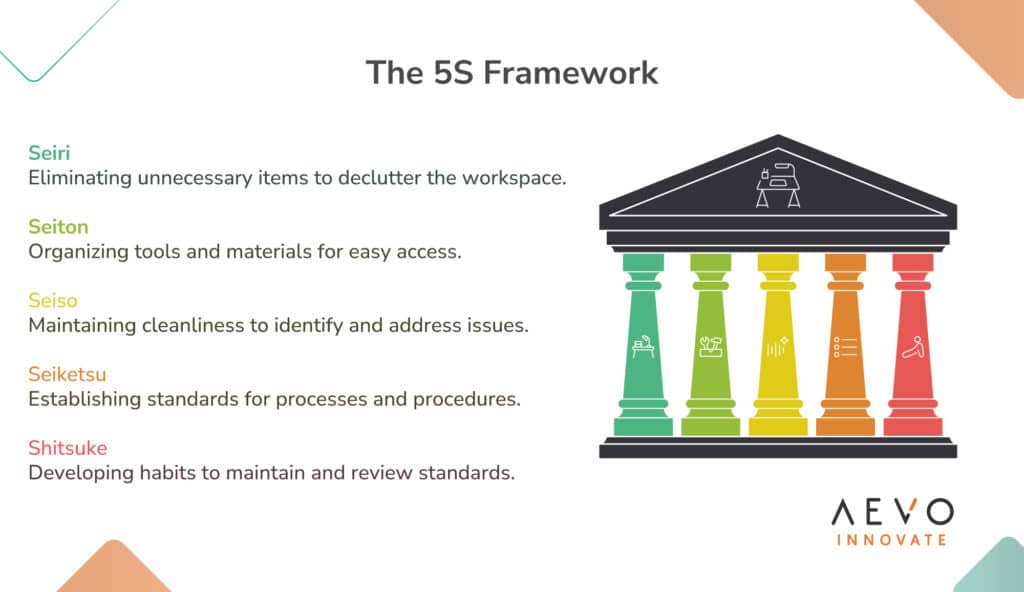
The 5S methodology is a workplace organization system based on five Japanese principles that promote efficiency, order, and continuous improvement. The term “5S” refers to five words that all start with the letter “S” in Japanese:
- Seiri (Sort): Eliminate what is unnecessary
- Seiton (Set in order): Organize what remains
- Seiso (Shine): Keep the area clean and tidy
- Seiketsu (Standardize): Maintain consistent practices
- Shitsuke (Sustain): Develop discipline and commitment
This method can be applied not only to large manufacturing operations, but also to healthcare, education, logistics, and even office environments. Its purpose is to improve performance, reduce waste, and foster a culture of accountability and innovation.
The 5 Principles of the 5S Methodology
1. Seiri – Sort
The first step is all about removing clutter. Teams must identify which items, tasks, or procedures are essential to operations and which are not. Anything unnecessary should be removed or archived.
In practice, this could involve digitizing files to save physical space, discontinuing outdated processes, or optimizing inventory levels to avoid excess stock.
2. Seiton – Set in Order
Once unneeded elements are removed, it’s time to organize what remains. The goal is to ensure that everything is easy to find, use, and return to its place.
This step often includes creating logical layouts, using visual management tools (like labels and color coding), and building efficient workflows to reduce time spent searching for tools or information.
3. Seiso – Shine
Cleanliness goes beyond aesthetics. A clean workspace helps identify potential problems, improves morale, and prevents equipment failure.
For example, maintaining cleanliness on a production line can reduce the risk of accidents and allow employees to detect early signs of wear or malfunctions.
4. Seiketsu – Standardize
Standardization ensures the first three principles become part of the daily routine. This involves creating clear procedures, checklists, visual guides, and ongoing training.
In a company setting, this may include SOPs (Standard Operating Procedures), digital workflows, or refresher sessions to ensure everyone follows the same guidelines.
5. Shitsuke – Sustain
The final S refers to discipline, embedding 5S into the company culture. Employees should feel responsible for maintaining standards and continuously looking for improvement opportunities.
This principle often overlaps with quality and safety standards, creating a self-regulating environment where discipline is not enforced, but lived.
Read More:
- Kaizen Methodology: The 5 Principles for Continuous Improvement
- PDCA Cycle: The Ultimate Guide to Continuous Improvement
Benefits of Implementing the 5S Methodology
| Benefit | Description |
|---|---|
| 1. Increased Productivity and Efficiency | By removing unnecessary items and organizing workspaces, employees spend less time searching for tools or navigating clutter. This focus on order enables faster, smoother operations and higher-impact work. |
| 2. Reduced Waste and Operational Costs | Implementing 5S reduces waste in materials, storage space, and energy use. It also minimizes reactive maintenance and last-minute fixes, which are often more expensive. |
| 3. Higher Product and Service Quality | Organized, clean environments lead to fewer errors and less rework. Teams can dedicate more time to process improvement and maintaining consistent quality across production stages. |
| 4. Safer, More Pleasant Work Environments | 5S enhances safety by removing hazards and standardizing procedures. Clear visual cues and predictable processes reduce incidents and create a more positive workplace. |
| 5. Employee Engagement and Ownership | When teams help design and maintain 5S routines, they take ownership of their environment. This sense of responsibility boosts motivation, collaboration, and continuous improvement. |
How to Implement the 5S Methodology in Your Company
1. Planning and Team Awareness
Start by aligning leadership and raising awareness among employees. Use storytelling or workshops to explain the purpose and expected outcomes. Customize the message for different departments; a production worker and a marketing analyst will experience the impact of 5S in different ways.
2. Step-by-Step Execution
It’s crucial to follow the five steps in order. Skipping or rushing through a phase may lead to inefficiencies or confusion. Each organization should define the duration and depth of each phase based on its needs and complexity.
3. Monitoring and Evaluation
Set clear KPIs and track them regularly. Use visual dashboards, feedback loops, and internal audits to ensure the 5S system is working and improving over time. Combine 5S with other quality tools such as Kaizen or PDCA cycles for deeper results.
4. Ongoing Maintenance and Continuous Improvement
5S is not a one-time project, it’s a continuous mindset. Encourage teams to revisit their processes regularly, update procedures, and challenge the status quo. Remember: improvement starts by questioning what no longer serves the purpose.
Real-World Examples of 5S Success
One of the earliest and most iconic examples comes from Toyota. In the aftermath of World War II, founder Sakichi Toyoda, together with his son, created the Toyota Production System (TPS), a lean manufacturing model rooted in 5S principles. By keeping inventory low and involving workers in every stage of production, Toyota achieved high quality and efficiency, revolutionizing the automotive industry.
Another example is Coca-Cola, which adopted 5S across its global operations. The company achieved a 70% reduction in customer complaints and significantly improved employee engagement and workplace safety through consistent application of the methodology.
Need a refresh? Here is a video for you:
Final Thoughts
The 5S methodology is much more than a housekeeping tool, it’s a mindset that enables organizations to reach higher levels of operational excellence. Whether you’re in manufacturing, healthcare, or services, 5S helps you unlock efficiency, quality, and employee engagement.
If your organization is aiming to lead the market through structured innovation and continuous improvement, adopting a powerful innovation management platform can take your 5S efforts even further.